 English
 Deutsch
Haben Sie kein Produkt gefunden, das zu Ihnen passt?
Kontaktieren Sie uns für die neuesten Nachrichten.

You just installed a new set of brake pads and rotors on your truck. Before you merge onto a busy highway, you need to bed the brakes. Bedding is the controlled burnishing process that transfers a thin layer of friction material onto the brake rotor. If you skip it, you risk pedal fade, brake judder, and inconsistent stopping distances. The good news is that the procedure is straightforward, safe, and takes about 20 minutes if you have a clear stretch of road.
Inhalt
Brake friction materials are designed to grab the rotor under heat. When you install new pads, the friction surface is raw and relatively rough. A series of moderate stops heats the pad and deposits a uniform layer of its material onto the rotor face. That layer, called the transfer film, is what produces smooth, predictable braking. Without this film, your brake pads can leave uneven patches on the rotor, which typically show up as steering wheel shake and noisy stops.
Manufacturers also call this process burnishing, and they specify different cycle lengths depending on pad compound. In most street and commercial applications, you need to establish that film before you trust the brake system under load. The film is very thin, but it changes the coefficient of friction in a predictable way.
Even a brand-new rotor can already have a thin layer of protective oil from the factory. It is a common misstep to skip cleaning the rotor before bedding. Degreasing the surface first helps the friction material bond evenly. Use a dedicated brake cleaner and wipe the rotor with a lint-free cloth, then handle it with clean gloves.
Start in a low-traffic area or a closed course. Make sure your new pads are properly seated and the caliper hardware moves freely. Then use the speed-control sequence shown below.
| Step | Action | Repetition | Why it matters |
|---|---|---|---|
| 1 | Accelerate to about 50 mph (80 km/h) | 10 times | Heats the pad surface |
| 2 | Apply moderate pressure to slow to about 10 mph (15 km/h) | 10 times | Begins transfer film |
| 3 | Allow brakes to cool for 10-15 minutes | Once | Prevents overheating |
| 4 | Repeat the cycle with lighter pressure | 10 times | Refines the film |
During the cycle, do not come to a full stop while the pads are hot. A brief stop at a traffic light can leave a slightly different thickness of pad material on one spot of the rotor. If you have to stop, use low brake pressure and let the vehicle coast as much as possible.
What does moderate pressure feel like? Aim for about 60 percent of your normal stopping force. You should feel the vehicle slowing firmly but not reaching ABS activation. If the vehicle pulls to one side, stop the procedure and check the caliper hardware.
After the final light-pressure cycle, drive for 5 to 10 miles with normal braking. The pads will continue to develop the film, and the brake feel will become more consistent.
Unbedded brakes can produce unpleasant and sometimes dangerous effects. The list below shows common symptoms and the likely root cause.
The worst case happens when the pads get too hot during the first drive. A severely glazed pad hardens its surface, reduces bite, and increases the chance of rotor cracking. This is why speed matters: heating the pad too quickly is actually worse than not bedding at all.
Another common mistake is to bed new brakes on wet roads. Water prevents the rotor from reaching the right temperature and can cause the pads to slip. Save the procedure for a dry, clear day.
There are exceptions. Some semi-metallic and ceramic O.E.M. pads are designed so the transfer film builds up over the first few hundred miles. In those cases, the vehicle manufacturer may ask you to drive gently for the first 300 miles. Track pads and race compounds need a modified procedure with more aggressive cycles and shorter cool-down times. Always check the pad box or the O.E.M. service bulletin before you assume a standard bedding procedure applies.
If your brake rotors have a non-directional finish, be careful with heavy cycles. The finish helps the pad transfer material, and a too-hot first stop can glaze the rotor surface. When in doubt, follow the exact time and pressure sequence specified by the brake manufacturer. A brake manufacturer that supplies fleet customers will usually provide a written bedding chart.
Some fleet operators ask whether they can bed brakes with a loaded semi trailer. For most drum brake systems, these are not high performance mechanisms and adding load may only mask the symptoms instead of creating a clean film. Consult your brake manufacturer and run the recommended cycle.
On heavy trucks and trailers, brake loads are much higher than on passenger cars. A poorly bedded set of pads can cause a dangerous pull to one side during a loaded run. That unstable behavior reminds us that the entire chassis must work in harmony. Brake force goes through the tires, and the suspension controls how well the tire stays planted. Worn cab shocks or weak trailer dampers make the vehicle feel loose during hard braking, even if the pads were bedded correctly.
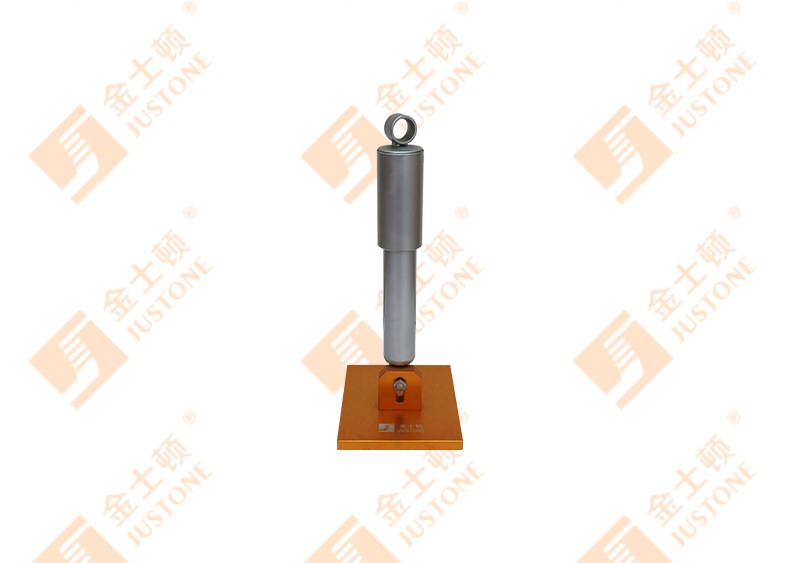 Heavy Truck Chassis Shock Absorbers for Stable Braking These shock absorbers help keep tires planted during heavy braking, reducing hop and improving stopping distance. Regular inspection supports overall chassis harmony and brake performance. View Product →
 For over-the-road trucks, the same maintenance window is a good time to inspect heavy truck chassis suspension components. A shock absorber that cannot control the axle allows the tire to hop, which can produce inconsistent pedal feel and longer stopping distances. Learn more about how shock absorbers function in heavy truck chassis to see the direct mechanical connection.
When you bed brakes on a tractor-trailer combination, the same basic physics apply, but the procedure is more challenging. The trailer brakes are at the end of a long system, and they often get the least attention. If you run the bedding cycle with an empty trailer, you have less weight over the axles, so it is easier to overheat the pads. Keep the speed to 40 mph, modulate pressure smoothly, and never hold the brake pedal down while slowly rolling. That can glaze the linings.
During a brake rebuild, also inspect the suspension components on the trailer. A pair of worn trailer shocks allows the trailer body to sway, which changes the vertical loads on the wheels during a brake application. The effect is noticeable in trailer rocking and poor stability. Read about the role of the suspension system in a heavy truck chassis to see how these parts affect vehicle behavior.
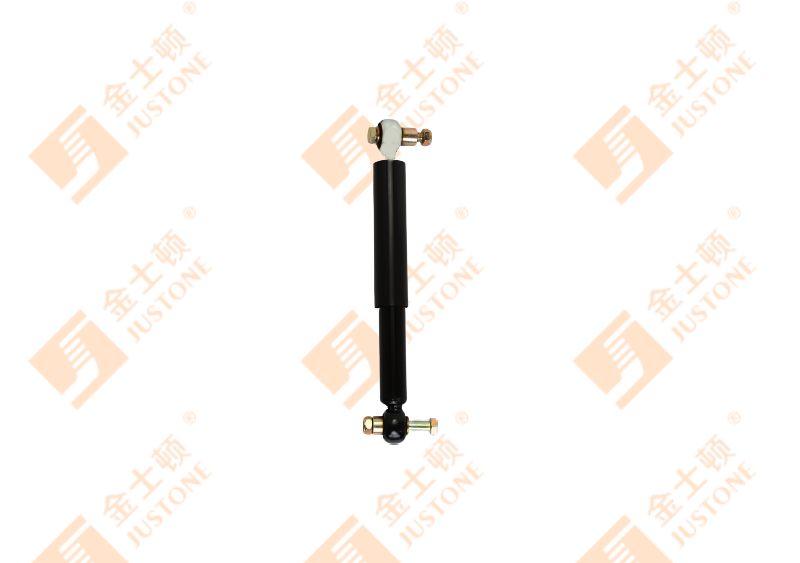 Trailer Shock Absorbers to Reduce Sway During Braking Worn trailer shocks can cause body sway and uneven vertical loads. Replacing them helps maintain trailer stability and improves braking consistency. View Product →
 Create a bedding checklist that becomes part of your brake PM procedure. Record the date, vehicle, axle, and the road type used. For fleets, the safest approach is to bed brakes on a short loop with no trailer and light load. Never attempt to bed brakes while carrying a full GVW load; the extra mass makes it difficult to keep the rotor temperature uniform. A gentler sequence of 10 to 12 stops at 40 to 50 mph with light pedal pressure works better than one hard emergency stop.
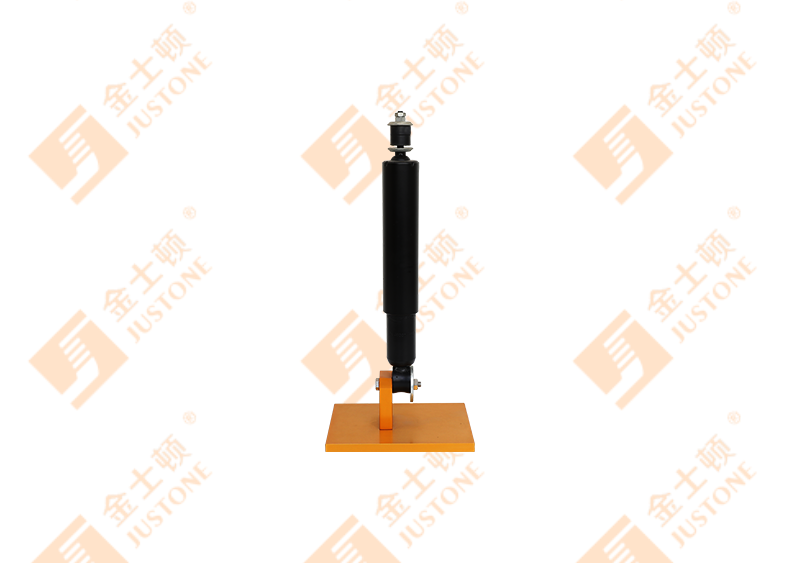 Cabin Shock Absorbers for Driver Stability and Comfort Cabin dampers reduce driver fatigue and keep the driver stable, supporting attentive brake input. Inspect mounts during brake maintenance to ensure optimal vibration control. View Product →
 When you replace pads on a tractor, inspect the cab damper mounts as well. A shock absorber in the cab mount is not just for comfort; it keeps the driver stable and reduces fatigue, which makes a driver more attentive to brake input and vehicle behavior. The same applies to seat dampers and other vibration control components.
Record the ambient temperature and brake temperature if you have an infrared thermometer. When you track this data, you can quickly notice a bad batch of pads or a binding caliper. For a large fleet, fewer emergency brake jobs and fewer driver complaints pay for the extra 20 minutes of bedding time.
Bedding your brakes is not an optional ritual. It is the fastest way to establish a uniform transfer film that gives you consistent stops, low noise, and long rotor life. Protect your investment by choosing a safe stretch of road, following the cycle exactly, and checking your suspension components while you are under the truck.
Kontaktieren Sie uns für die neuesten Nachrichten.
排污许可证执行报告 (第二季度...
Sagen Sie, welc...

Urheberrechte © Hangzhou Justone Industry Co., Ltd.
 Hersteller von OEM-Stoßdämpfern für Nutzfahrzeuge
Großhandelsfabrik für Auto-Stoßdämpfer
Hersteller von OEM-Stoßdämpfern für Nutzfahrzeuge
Großhandelsfabrik für Auto-Stoßdämpfer